10 Essential Tips for Setting up the Perfect Home Theater: A Comprehensive Review and Guide
By [Your Name]
Are you looking to create the ultimate cinematic experiance in the comfort of your own home? A well-designed home theater can provide you with hours of entertainment and an immersive movie-watching experience. In this comprehensive review and guide, we will explore the essential tips for setting up the perfect home theater.
1. Determine the Ideal Room
First and foremost, you need to determine the ideal room for your home theater setup. Consider the size, shape, and layout of the room. Ideally, you want a room that is spacious enough to accommodate seating arrangements, audio equipment, and a large screen. Additionally, a room with minimal ambient light and sound insulation would be ideal for an enhanced cinematic experience.
2. Choose the Right Display
The heart of any home theater is the display. There are various options available, including LCD, LED, OLED, and projection screens. Each has its own advantages and disadvantages, so it's essential to consider factors such as budget, room size, and personal preference. Larger rooms may benefit from a
QKK Mini Projector for a truly immersive experience, while smaller spaces may be better suited for a high-quality LED TV like the
Samsung HT-J5500W.
3. Invest in Quality Audio
To truly replicate the immersive experience of a movie theater, investing in quality audio is crucial. A surround sound system with multiple
speakers can create a realistic audio environment. Consider a setup with front
speakers, rear
speakers, a center channel speaker, and a
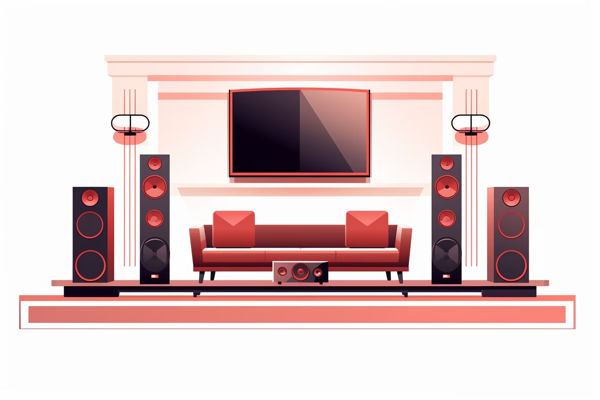
subwoofer for deep bass. The
Yamaha YHT-3920UBL Home Theater in a Box System with Bluetooth is a great option for excellent audio quality.
4. Optimize Speaker Placement
Proper speaker placement is essential to achieve optimal sound quality. The front
speakers should be positioned at ear level, while the rear
speakers should be placed behind the seating area for an enveloping sound experience. Experiment with different angles and positions to find the perfect balance between clarity and immersion.
5. Control Ambient Lighting
Controlling ambient lighting is crucial for creating an immersive theater-like experience. Install blackout curtains or blinds to eliminate external light sources that may interfere with the display quality. Consider installing dimmer switches or smart lighting solutions to adjust the lighting according to your preferences.
6. Soundproof the Room
To minimize external noise and maximize audio quality, soundproofing the room is highly recommended. Use acoustic panels or foam to absorb excessive echoes and reverberations. Additionally, consider adding carpets, curtains, and furniture to dampen sound reflections.
7. Choose Comfortable Seating
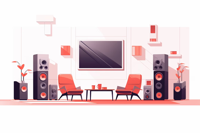
Comfortable seating is essential for long movie marathons. Opt for reclining chairs or a cozy sectional sofa that allows you to relax and enjoy the movie without any discomfort. Consider the number of seats needed based on your family size or the number of guests you anticipate.
8. Organize Cables and Wires
With a multitude of devices and equipment, cable management is crucial to maintain a clean and organized home theater setup. Use cable management solutions such as cable raceways or zip ties to keep the cables neatly organized and hidden from view. This not only improves aesthetics but also makes it easier to troubleshoot or upgrade your system in the future.
9. Calibrate Video and Audio Settings
To achieve the best possible picture and sound quality, calibrate the video and audio settings of your equipment. Most displays and audio receivers offer built-in calibration tools or presets to optimize the settings automatically. However, for a more precise calibration, consider using professional calibration tools or consulting a home theater expert.
10. Consider Room Acoustics
Lastly, consider the room's acoustics when setting up your home theater. Hard surfaces such as glass windows and bare walls can cause sound reflections and distortions. Adding soft furnishings, curtains, or acoustic panels can help absorb excessive sound reflections and improve overall audio quality.
In conclusion, creating the perfect home theater requires careful planning and consideration of various factors. From choosing the right display and audio equipment to optimizing the room's acoustics and lighting, each aspect contributes to the overall cinematic experience. By following these ten essential tips, you can set up a home theater that rivals the quality of a commercial cinema and enjoy countless movie nights with family and friends.



party-dot - October 17, 2023
Great post! Really helpful tips. Can't wait to try them out. Thanks!
Urban-movement - October 16, 2023
Great tips! Really helped me set up my home theater. Now I can enjoy movies like never before. Thanks for sharing!
rackful524 - October 15, 2023
Great tips! Can't wait to try them out. Thanks for the helpful guide!